
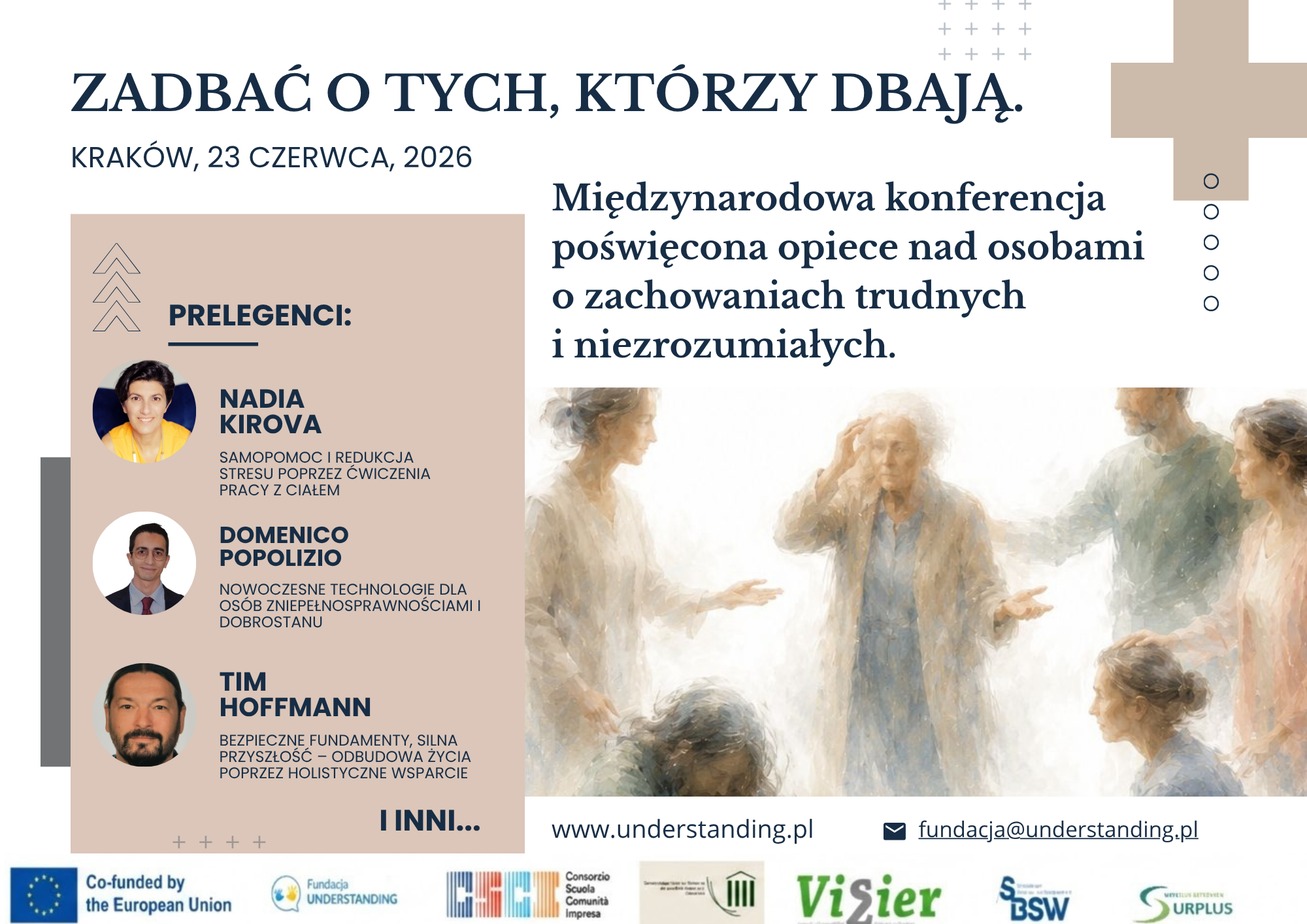
“Taking care of those who care: an international conference dedicated to caring for people with difficult and incomprehensible behaviors”
Krakow, June 23, 2026
We invite you to a unique event that combines scientific knowledge with practical experience of specialists and tutors from Polish and Europe.
“Taking care of those who care: an international conference dedicated to caring for people with difficult and incomprehensible behaviors” is an event carried out as part of the SUPPORT project, which is a space for inspiration, exchange of experiences and learning about effective tools to support people working with people in crisis – from mental health, through addictions, to care for the elderly.
It is an opportunity to gain specific knowledge, broaden your perspective and feel that you are not alone in this.
Conference program
10:00 – 10:15 Opening of the conference, Artur Buszek, Plenipotentiary of the Mayor of the City of Krakow for Non-Governmental Organizations,
10:15 – 10:35 Introduction to the SUPPORT project, Ivo van Dongen
10:40 – 11:00 Analysis of the needs of caregivers of people with behavioural disorders: results of own research and literature research, Aleksandra Mykowska and Julia Matuszek, Understanding Foundation
11:05 – 11:25 Self-help and stress reduction through bodywork exercises – as part of the Erasmus+ SHSR (Holistic Methods of Stress Reduction) project, Nadia Kirova
11:30 – 11:50 Support for parents of children with disabilities – how the We Are Important Foundation helps, Joanna Kaleta
11:50 – 12:15 Coffee break and networking
12:15 PM – 12:35 PM “Houses of the Bird of Paradise” (Paradijsvogelwoningen), W.M.J. (Jack) ten Haaf
12:40 – 13:00 “Education – the basis for living a self-determined (independent) life”, Gabriele Witschorke, Jörg Engelmann, Anna Korneluk-Essa
13:05 – 13:25 “Modern technologies for people with disabilities and well-being”, Domenico Popolizio
1:30 PM – 1:50 PM SBSW: Secure Foundations, Strong Future – Rebuilding Lives through Holistic Support, Tim Hoffmann
1:50 PM – 2:00 PM Conference summary
14:00 – 15:00 Networking break with refreshments
The organizer reserves the right to modify the program.
Meet our speakers
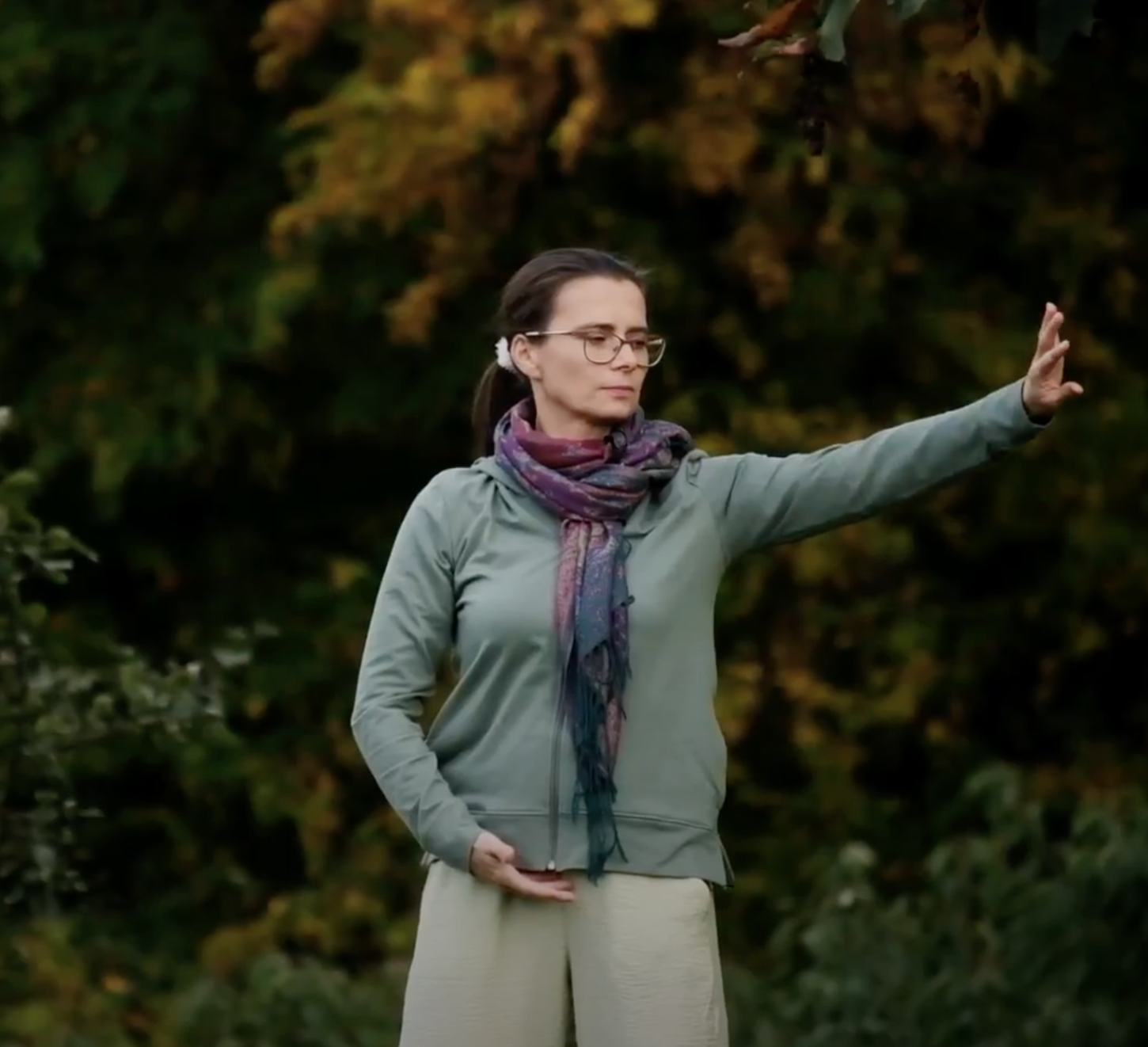
Aleksandra Mykowska
Social psychologist (Jagiellonian University), MBA graduate, practitioner of managing teams of several dozen people, implementer of numerous adult education programs in the stationary system, blended learning, e-learning and Development Center processes. She managed the process of organizing and substantive preparation of many courses for adults for over 10,000 people, co-author of her own online teaching methodology, research on intrinsic motivation for online learning. Presenter at the EDUCA Berlin conference and other international conferences. She is currently in the process of certification in “Integrative Somatic Trauma Therapy”. She has completed numerous trainings and courses in the field of Well-being.
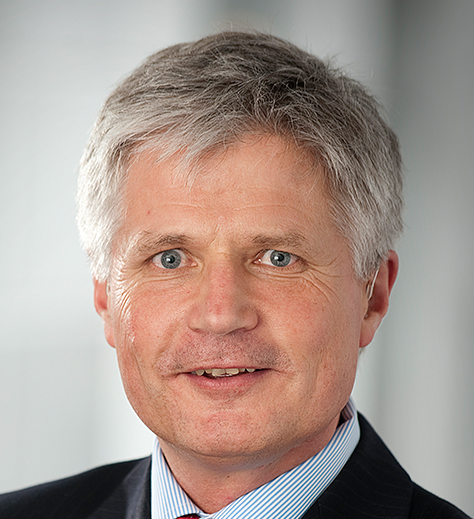
Ivo van Dongen
As a project coordinator and developer at Surplus, I have been designing and managing projects in the fields of adult education, social inclusion and community-based initiatives for over three decades. He believes that well-planned collaboration builds stronger, more inclusive communities where adults can learn, participate and make a real contribution.
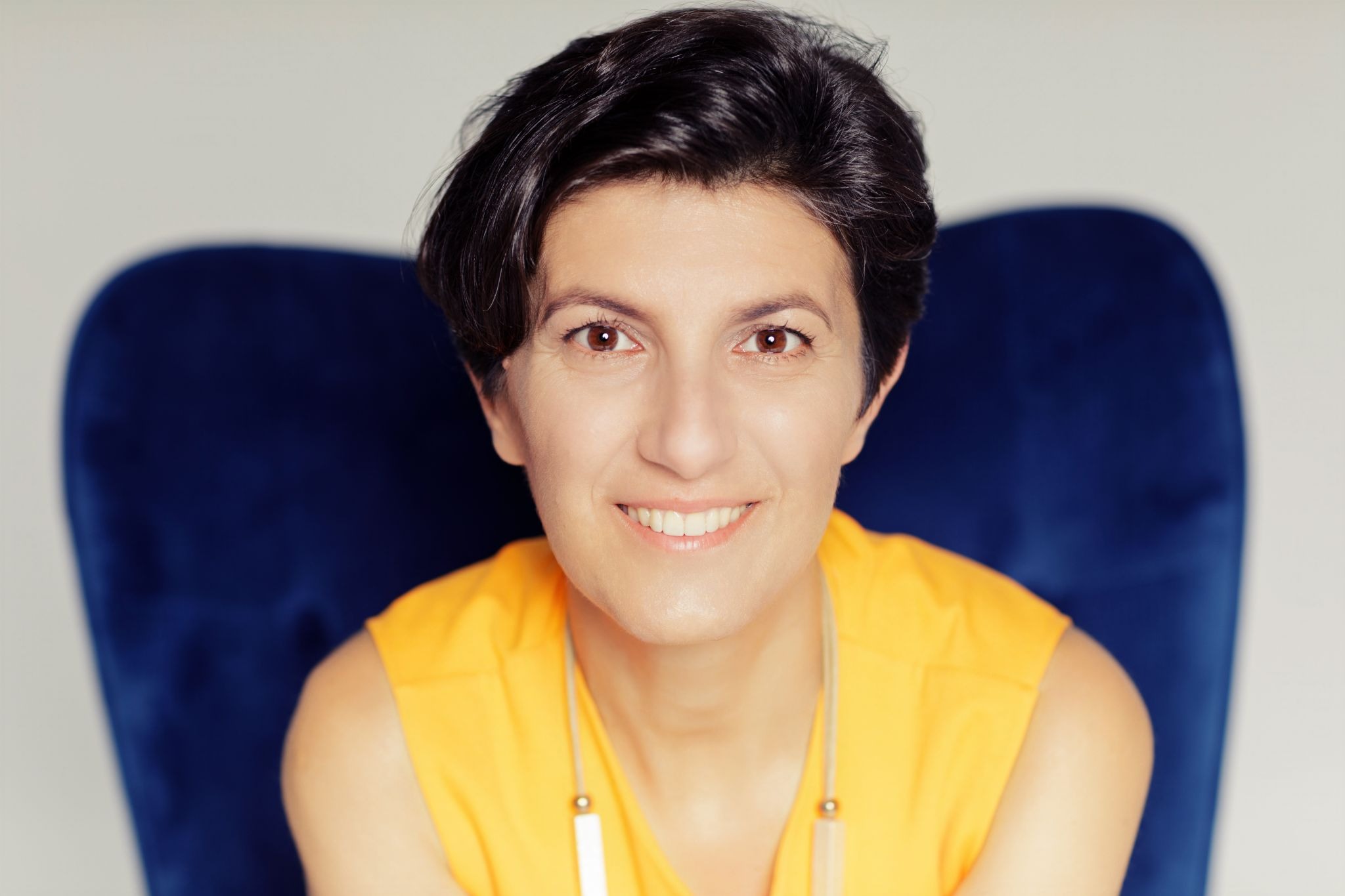
Nadia Kirova
Business coach, coach, mentor, consultant and academic lecturer. It supports people in getting to know themselves, motivation, communication and managing their own energy. Co-founder of Kirov.pl, LifeEnergy.PL and PasjaDoEdukacji.org. Qigong instructor – styles that regulate the flow of energy in the body, reduce stress and release physical and emotional blockages.
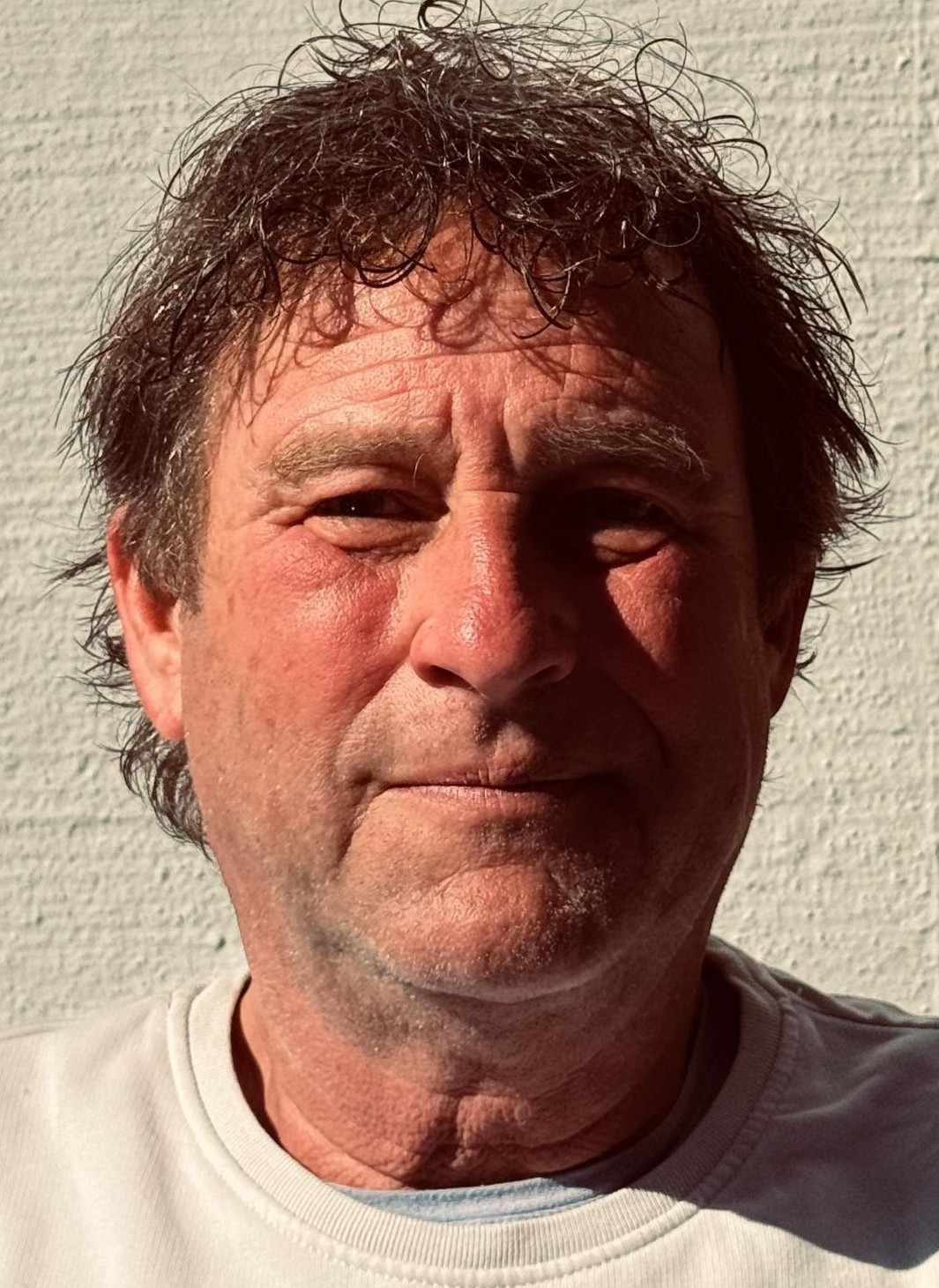
W.M.J. (Jack) ten Haaf
My name is Jack ten Haaf. I am the founder of the Surplus Foundation, which has been operating in the Twente region of the Netherlands for 30 years. From the beginning, he has been guided by a simple conviction: everyone should have the opportunity to participate in social life and feel a sense of belonging. I believe that with the right environment and support, everyone can make a valuable contribution to society.
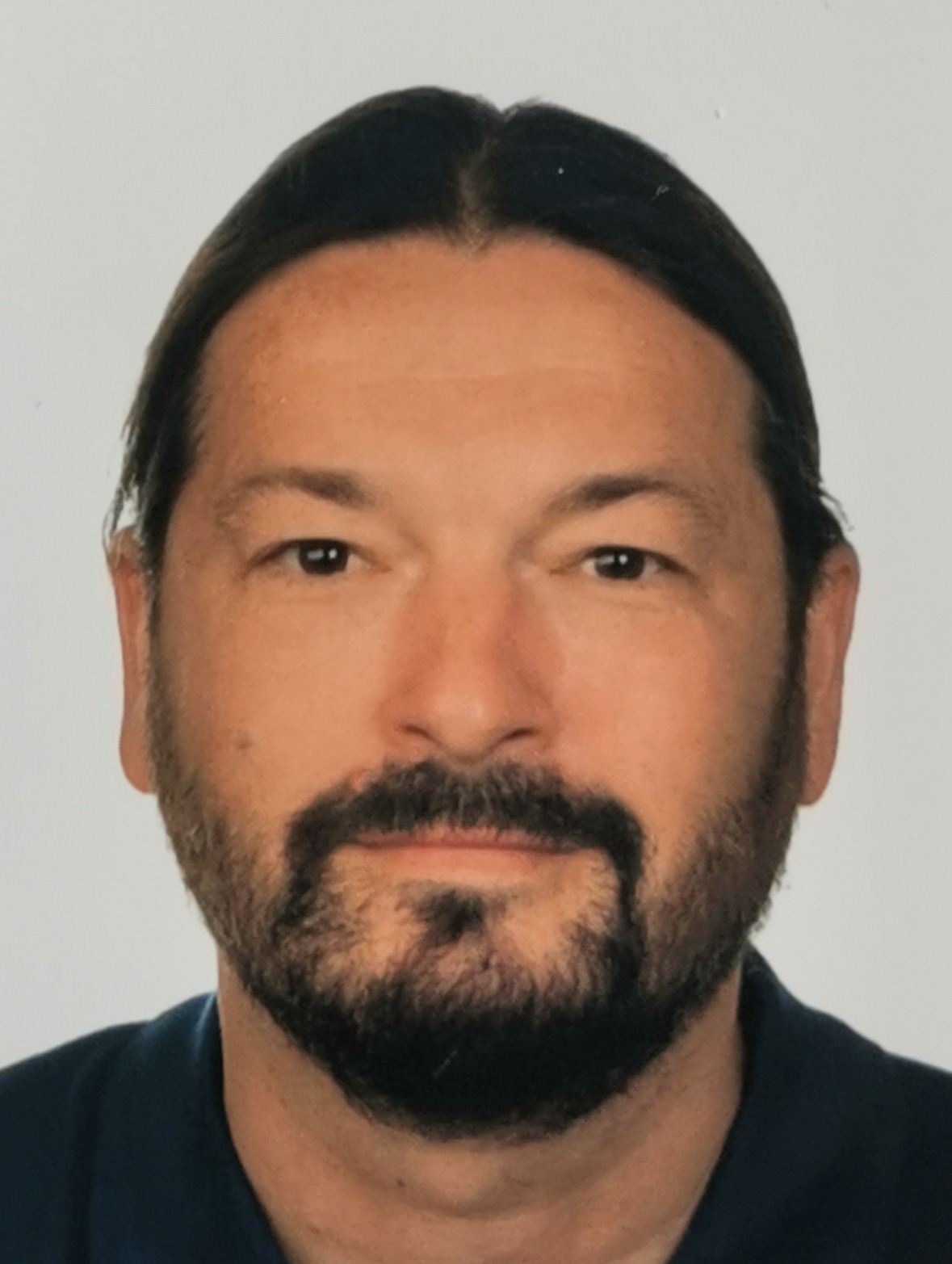
Tim Hoffmann
Managing Director of SBSW e. V. since 2013. Its activities focus on supporting the employment of the long-term unemployed in Brandenburg, training programs and German language courses for immigrants. He also oversees the functioning of the women’s shelter, reflecting his commitment to social inclusion and community support.
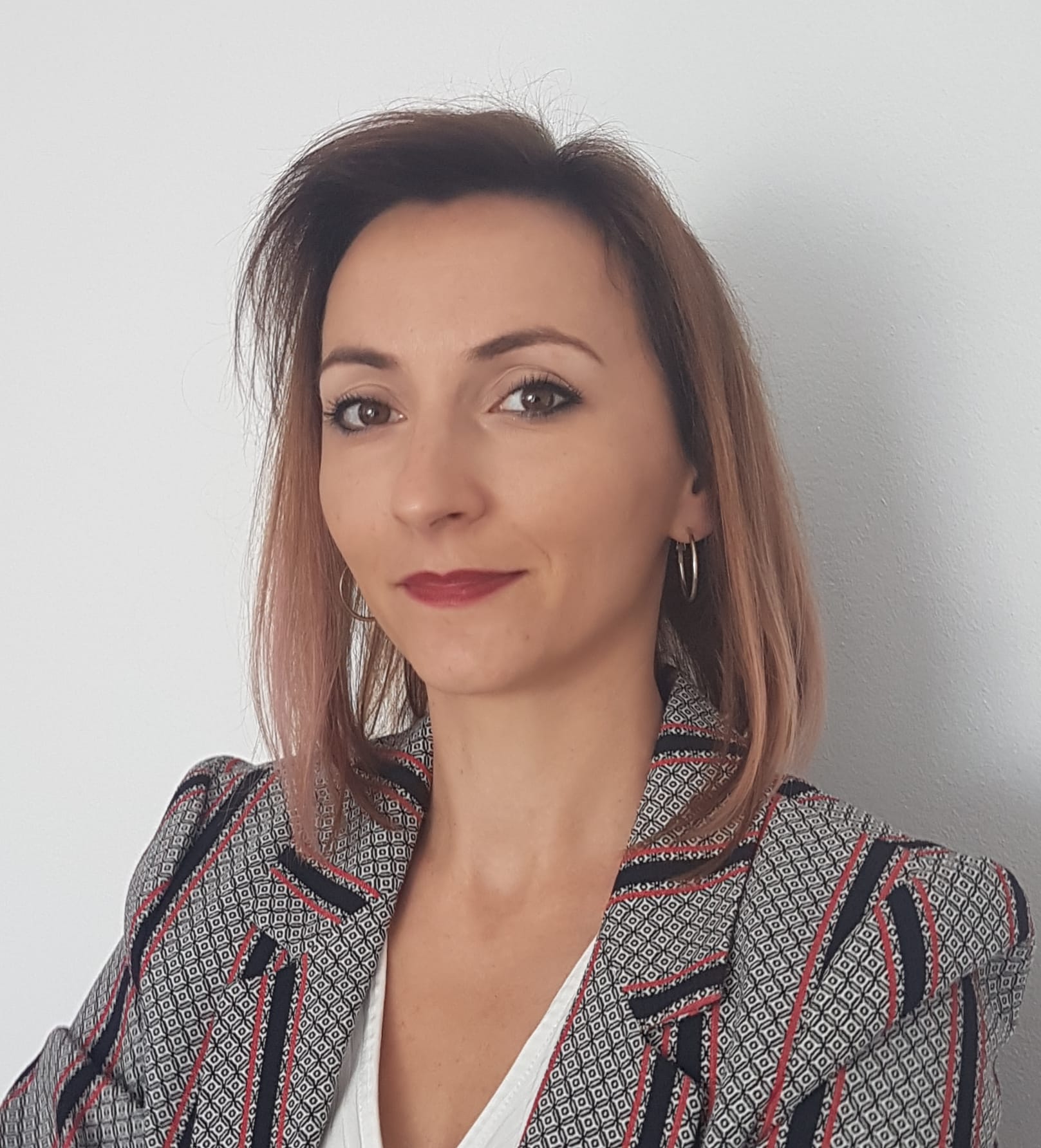
Joanna Kaleta
Coach, crisis interventionist, psychology student. She runs a support group for parents of children with disabilities in the We Are Important foundation. Privately, she is a mother of a child with a disability. I work with parents of children with disabilities who face depression, fatigue, exhaustion and difficulties related to long-term care on a daily basis.
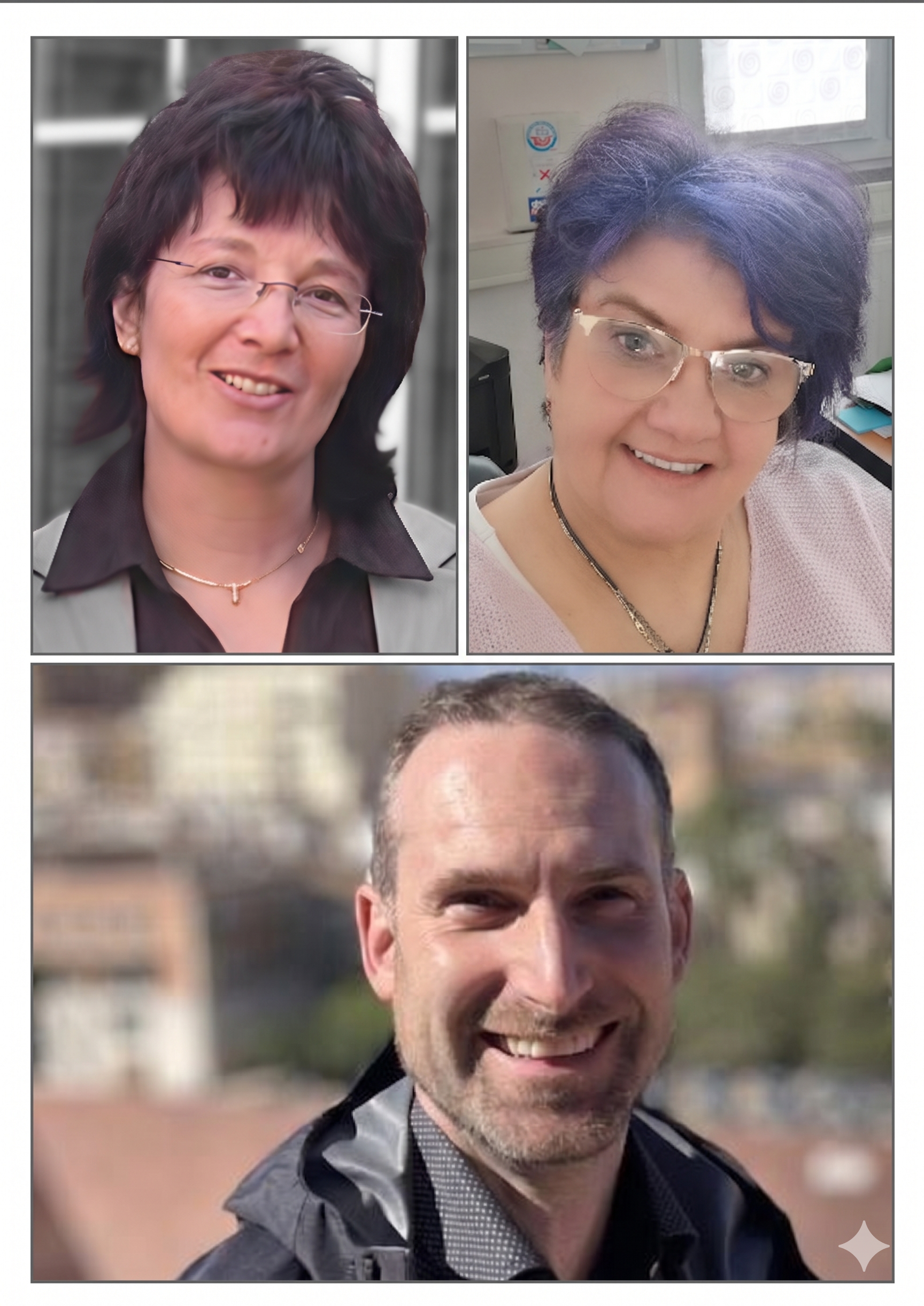
Gabi Witchorke, Anna Korneluk-Essa, Jörg Engelmann
The team combines experience in management, psychology and social sciences. For years, it has been supporting people at risk of exclusion and encountering barriers to functioning in everyday life, to effectively navigate the labor market and gain employment. As GVFB, it also supports organizations in the transition towards greater inclusivity and helps employers, employees and people of retirement age find their way in the processes of digital transformation of the labor market.
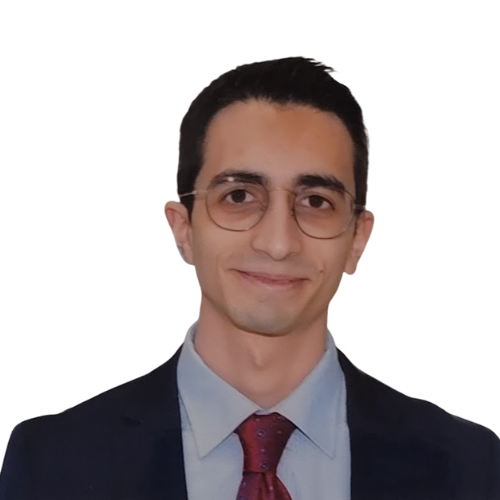
Domenico Popolizio
Computer Engineer. It focuses on technologies that support people with various medical conditions, including cognitive and physical disabilities. He is currently an ICT Manager at CSCI, an Italian organization implementing European projects supporting inclusion, digital innovation, sustainability and social impact.
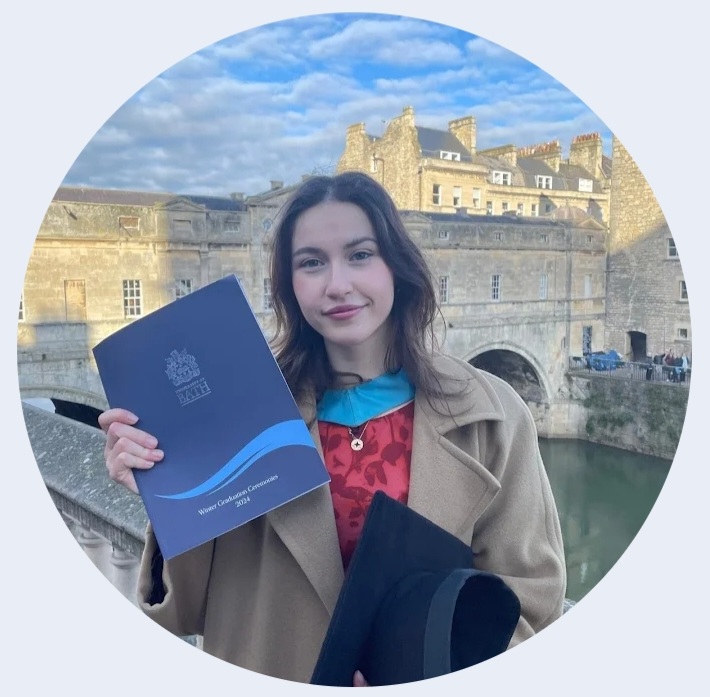
Julia Matuszek
She holds a degree in Sociology and Clinical Psychology from the University of Bath. She gained her professional experience in the United Kingdom, working in crisis intervention centers and as a social care coordinator. She specializes in working in a person-centred and holistic approach, combining psychological knowledge with the practice of systemic support. He believes in the importance of systemic changes, not just an individual approach to mental health problems.